

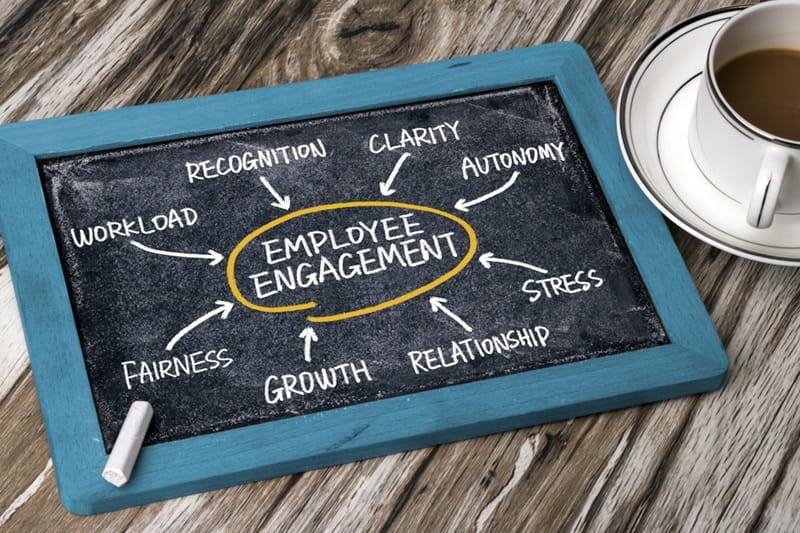
Before we get into the details, here’s a quick roadmap. This blog looks at what really keeps people invested at work, not just clocking in. We’ll talk about what employee engagement actually means, why it matters more than ever for US workplaces, and how smart employee engagement strategies shape culture, performance, and loyalty. Along the way, you’ll find practical ideas, real-world examples, and a few honest moments that feel familiar if you’ve ever led a team or been part of one.
Employee engagement strategies sit at the heart of workplace success. When people feel connected to their work, their team, and the company’s purpose, everything runs smoothly. Productivity rises, turnover slows, and the office feels less like a grind and more like a place where things happen.
This section sets the foundation. Let’s first clarify what engagement really looks like and why it goes far beyond perks or pep talks.
What Is Employee Engagement? It’s not just job satisfaction, and it’s definitely not about smiling through stress. Engagement is about emotional commitment. Employees care about the work and the outcomes. They show up because they want to, not because they have to.
Engaged employees think like owners. They speak up in meetings, help coworkers, and notice problems early. You can feel it in the room. There’s energy, even on a Monday morning.
US workplaces have changed. Hybrid schedules, rising living costs, and constant digital noise all compete for attention. When engagement slips, people disengage quietly. They do the minimum. Or they leave.
Strong employee engagement strategies help companies stay steady through change. They give people a reason to stay, grow, and contribute, even when things feel uncertain.
Motivation and engagement are close cousins. Motivation sparks action, while engagement keeps it going. This section explores how leaders can support both without sounding scripted or forced.
People want their work to matter. Not in a grand, save-the-world way, but in a real one. How does this task help a customer? How does this project support the team?
Managers who explain the why build trust. Even routine work feels lighter when employees understand its impact. It’s like knowing why you’re taking a long drive. The destination makes the miles easier.
Recognition works, but only when it’s sincere. A generic shout-out feels empty. Specific praise lands better.
Instead of “Great job,” try “Your report helped the client make a fast decision.” Small shift. Big difference. These employee motivation and engagement strategies remind people they’re seen.
Read More: A Guide to Accelerate Growth with Networking in Business
Clear communication keeps engagement alive. Without it, even the best intentions fall flat. This part focuses on how conversations shape culture.
Employees need space to speak honestly. That means listening without jumping to defend or fix everything.
When leaders ask for feedback and actually act on it, trust grows. Over time, people stop holding back. They share ideas earlier. Problems shrink before they grow teeth.
Weekly check-ins often matter more than big town halls. Regular updates create rhythm. People know what’s happening and where they stand.
Simple tools like Slack, Microsoft Teams, or even short Loom videos help keep communication flowing without overload.

Growth keeps people engaged. When learning stops, boredom creeps in. This section looks at how development supports long-term commitment.
Employees don’t expect instant promotions. They do want clarity. Where can this role lead? What skills matter?
Mapping career paths, even loosely, helps people picture a future. It’s comforting, like seeing road signs on a long trip.
Training shouldn’t feel like homework. Bite-sized learning works better. Short courses on platforms like Coursera or LinkedIn Learning fit into busy schedules.
Mentorship programs also matter. Learning from a real person often sticks longer than any slide deck.
Don't miss: Is Dropshipping Worth It or Dead? Profit Insights for 2025
Engagement fades fast when burnout takes over. Well-being isn’t a perk anymore. It’s part of the job design.
Flexible schedules help, but only when respected. If messages arrive at midnight, flexibility becomes a myth.
Leaders who model healthy boundaries give permission for others to do the same. That quiet signal speaks louder than any policy.
Employee assistance programs help, but awareness matters too. Normalize conversations about stress. Share resources often, not just during crises.
These strategies for employee engagement show employees they matter as people, not just performers.
Retention is engagement’s long-term scorecard. When people stay, it’s usually because they feel valued and supported.
Culture isn’t slogans on walls. It’s how people treat each other on busy days.
Teams that laugh together, solve problems together, and celebrate small wins tend to stick together. That sense of belonging keeps resumes tucked away.
Engagement doesn’t replace fair compensation. It supports it.
Transparent pay discussions, clear raise criteria, and honest conversations reduce resentment. People can handle tough news when it’s delivered straight.
We thought you would like this: Top Agentic AI Leaders Shaping the Future of Automation
Seeing ideas in action helps. These examples show how engagement strategies look day to day.
A mid-sized US tech firm introduced monthly skip-level meetings. Employees met with leaders two levels up. Feedback improved. Engagement scores followed.
Another company offered “focus Fridays” with no internal meetings. Productivity rose, and stress dipped. Simple change. Real results.
Retail teams may value flexible shifts more than formal training. Corporate teams might crave clarity and growth paths.
The best employee engagement strategy examples adapt to people, not the other way around.
Employee engagement isn’t a single program or survey score. It’s a collection of daily choices. How leaders listen. How teams communicate. How growth is supported.
Strong employee engagement strategies help workplaces feel steady, even when business gets messy. They remind people why they joined and why staying makes sense.
You know what? Engagement isn’t about perfection. It’s about effort, honesty, and follow-through. When those show up consistently, success tends to follow.
Employee engagement means employees feel connected to their work and care about the company’s success. They’re involved, motivated, and committed.
They create trust, growth, and belonging. When employees feel valued, they’re more likely to stay long term.
Not exactly. Motivation sparks action, while engagement sustains it over time through emotional commitment.
At least once a year, with smaller check-ins throughout. Regular review keeps strategies relevant and effective.
This content was created by AI