

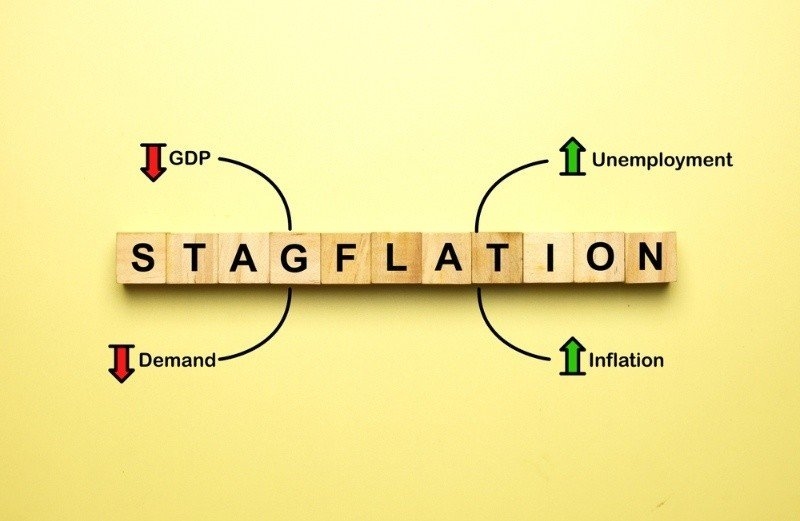
Stagflation means you’re stuck with steady inflation while economic growth stays weak. Sometimes, you even see unemployment picking up, and the problem gets worse because the usual fixes for inflation—like tighter monetary policy—can make growth even slower. If you try to pump up growth instead, you usually add more fuel to inflation.
The 1970s were basically the textbook example—countries faced high inflation, barely-there growth, and crazy jumps in energy prices. Stagflation isn’t just about things costing more or the economy dragging. It’s the mix that makes it such a headache.
Every day, people feel it when groceries, rent, gas, or energy bills keep going up, but their wages and job options don’t move in step. We’re going deeper into what stagflation looks like, what drives it, early red flags, how it hits the economy, why it’s different from a typical recession, and which risks you’ll want to watch out for.
The causes of stagflation are usually linked to several problems occurring together. A single event can trigger pressure, but persistent stagflation generally needs deeper economic weaknesses to keep it going.
When there’s a sudden shortage of oil, food, raw materials, shipping, or essential industrial inputs, production costs jump. Most businesses won’t eat those costs—they push them onto consumers. So if supplies stay tight and demand keeps up, prices just don’t let up, even as the broader economy starts to lag.
That’s classic stagflation territory.
Productivity really matters here. If workers or capital can’t churn out more goods and services efficiently, companies face rising costs but make less. So, prices climb, but the economy doesn’t actually grow much. Throw in labor shortages or sluggish investment, and it gets even messier.
Sometimes, the folks in charge of policy make things worse. Say the government pumps too much money into the economy when supplies are jammed up—demand shoots up, but output can’t catch up.
Later, if interest rates spike to fight inflation, that might get prices under control, but it’ll chill investment, hiring, and buying. There’s never an easy balance.
Don't Miss: Market vs Command Economy Key Differences Explained Clearly
The reason stagflation is so tricky comes down to the weird double whammy: inflation’s high, but economic growth stalls. Usually, if demand is strong, yeah, prices rise, but so does output.
In stagflation, prices surge even as businesses and workers lose momentum. Policymakers face a real puzzle—raise rates to tame inflation, and you might slow things down even more. But keep policies loose, and inflation just digs in.
For regular families, this squeeze is real. Groceries, rent, and utilities all cost more, while paychecks and hours might shrink. People cut back on extras. If job growth slows or hours get cut while costs keep climbing, the pain multiplies.
Multiply that across millions of households and economic demand can weaken further.
Several stagflation indicators can reveal whether an economy is moving toward a difficult combination of inflation and weak growth. No single measure proves stagflation is happening.
The useful approach is to watch several signals together.
| Indicator | What It May Signal |
|---|---|
| Persistent inflation | Price pressure is not fading |
| Weak GDP growth | Economic momentum is deteriorating |
| Rising unemployment | Labor demand is weakening |
| Falling productivity | Output efficiency is declining |
| Higher input costs | Supply pressure may be spreading |
Inflation alone does not establish stagflation. People cut back on extras. If job growth slows or hours get cut while costs keep climbing, the pain multiplies.
If you want to spot stagflation, keep an eye on industrial production, retail demand, business investment, and purchasing activity. When these areas are sluggish, but prices keep climbing, it’s a red flag for stagflation risk.
Suggested Reading: Positive vs Normative Economics: What's the Difference?
The difference between stagflation vs recession is mainly the behavior of prices. A recession generally involves a broad decline in economic activity. Inflation may fall because demand weakens.
Here’s the idea: stagflation means the economy isn’t moving much, yet inflation won’t let up.
| Feature | Stagflation | Recession |
|---|---|---|
| Economic growth | Weak or falling | Weak or falling |
| Inflation | Usually elevated | Often moderates |
| Unemployment | Can rise | Often rises |
| Policy challenge | Reduce inflation without crushing growth | Support recovery |
That’s why understanding stagflation versus a regular recession actually matters—to investors, business owners, and policymakers.
The real danger? Inflation just won’t fall, while growth keeps slowing. Then you get businesses battling higher costs and fewer buyers. Margins get squeezed. Making investment calls gets a lot riskier. Companies slow down hiring.
It’s tough to pass on every cost hike to customers, too. If firms bump prices up too much, shoppers back off. If they eat the costs, their profits vanish.
This hits hardest for companies with big energy bills, pricey labor, or lots of imported supplies.
Financial markets really don’t like stagflation. Investors get mixed signals: higher interest rates might tamp down inflation, but they also put the squeeze on growth stocks and other sensitive assets.
Bonds, stocks, currencies, and commodities—they all react in different ways. There’s no neat, single-market playbook here.
Tackling stagflation isn’t as simple as juicing demand or hiking rates. Policymakers have to juggle two problems: stubborn inflation and weak output.
Rates can knock back demand-driven inflation, but you also need supply-side moves—like building out infrastructure, investing in energy security, boosting productivity, developing skills, or streamlining logistics—to take pressure off over the long term.
Businesses aren’t helpless either. They can diversify suppliers, trim waste, focus on productivity, and stay flexible in how they plan for future costs.
The whole thing gets tougher if people believe high inflation is here to stay. Workers start demanding bigger paychecks, businesses get jumpy and raise prices sooner, and consumers change their habits because they trust prices will keep rising.
That’s why watching these early warning signs really matters—don’t wait for a blowup.
If you’re making decisions, it pays to track inflation and sluggish growth together, not just the big monthly inflation numbers. This way, you’ll catch problems early and make smarter calls with budgets, prices, hiring, and investments.
Also Read: What Are Tariffs and How Do They Impact Your Wallet?
What really messes things up is that stagflation hits with two big problems that call for opposite solutions. You need restraint to cool inflation, but poor growth means you want to support the economy. So, policymakers end up walking a tightrope.
What are the reasons? Problems arising from supply chain hiccups, the fact that productivity is low, and the lack of sufficient employees have made the situation much worse. Families are feeling the effects of the situation, while businesses are having a hard time sustaining their operations.
Even governments and markets get caught in the mess. That’s why it pays to track key indicators like inflation, GDP growth, employment numbers, productivity, and how much it costs to make stuff.
Absolutely. Inflation erodes cash if your returns don’t keep up with price hikes. Slower growth can also put jobs, paychecks, and investment returns at risk. Where you park your money really matters.
Nope. They’re not the same thing, though they sometimes overlap. You can have high inflation and weak growth, but that doesn’t always mean a deep or lasting recession. Still, if policymakers keep tightening up too much, it can tip the economy into a downturn.
Not by themselves. It becomes a problem if pay jumps while workers aren’t producing more—then business costs spike, and companies often pass those on to customers. But let’s be real: bigger economic forces matter way more than just wages.
Look at industries heavy on energy, transportation, labor, or raw materials—they feel the sting first. Businesses serving price-sensitive folks struggle to pass higher costs along. But companies with pricing power can ride out the storm a bit better.
There’s no set timeline. Sometimes, it’s short-lived if the initial shock goes away quickly. Sometimes, stagflation just sticks around. Inflation runs hot, supply chains stay tangled, productivity doesn’t pick up, and policy blunders only make things worse.
This content was created by AI