

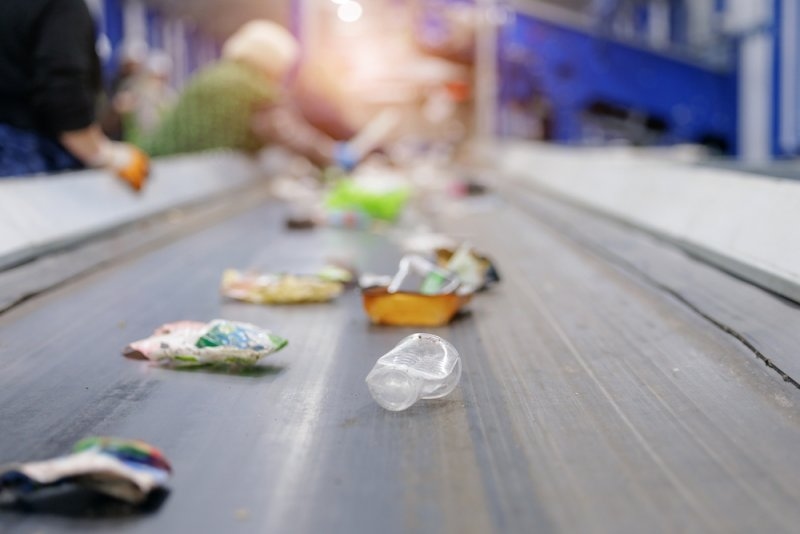
A circular economy alters the way that products are designed, manufactured, used, and disposed of. Moving away from the make-use-dispose model of 'end-of-life' thinking, businesses design products, components, and materials to retain their value for as long as possible. Customers have the opportunity for an improved buying experience and have sustainable options for reuse, repair, and return.
A circular economy is an economic system that is designed to be restorative and regenerative by intention. A circular economy keeps products, components, and materials at their highest utility and value at all times (i.e., circular).
Historically, the linear economy runs from extraction, processing, manufacturing, to consumption, and ultimately disposal. This economy takes the lifecycle of a product into consideration. This means that a manufacturer or a business must plan for longevity, repair, reuse, recovery, and replacement of resources.
Extracting more from raw materials becomes more difficult as demand increases, and waste increases as consumers throw away more products. A circular economy approach minimizes waste by keeping everything in circulation.
Circular economy strategies may also provide advantages for business activities: businesses will consume less material, become more resource efficient, create extra sources of income, and benefit from closer interaction with customers through repair, resale, rental, refill, and return.
In-Depth Guide: Employee Engagement Strategies That Drive Workplace Success
Businesses can make use of circular business models based on their product, customers, and current business. The aim is not to optimize recycling but rather to make sure valuable products and materials do not become waste in the first place.
Some practical approaches include:
These circular business models are possible to implement in steps. A business might, for example, begin to offer product repair or take-back services and then progressively evolve into areas such as refurbishment, resale, or reusable packaging.
By a circular economy business model, we mean a new way of creating and capturing value. It is no longer about creating value solely by selling products. It is also possible to profit from maintenance, upgrades, hiring, purchasing, refurbishment, resale, and recovery.
This is straightforward if you are the equipment manufacturer; for example, you could lease out your equipment instead of outright sales. You could retain the responsibility for any maintenance, upgrades, and refurbishment, making it worthwhile to make longer-lasting equipment, as the same unit can be used multiple times.
A further circular economy model is to sell products with a service of repair and upgrade. Customers can enjoy products longer, and companies can keep generating income from maintenance, replacement, and upgrades. Customers and companies are also closer together: the synergy of efficiency and commerce is more tangible.
There are all sorts of circular economy examples out there that demonstrate how this concept can work on a daily basis for businesses. Apparel retailers can take back unworn clothes for resale, upcycle, repair, or fiber reclamation. Electronics retailers can implement trade-in programs and recondition products for sale to the next consumer.
Here are some other examples to inspire you:
Circular economy trends impacting product and resource thinking: Businesses are exploring opportunities to extend the life of a product and minimize the replacement of items where possible. Durability and repairability.
More use of resale, rental, refurbishment, refill, and product-as-a-service systems. Technologies in digitalization to record products, track them for returns, trace maintenance, and follow material flow along value chains
Circular economy trends impact packaging too. Reuse systems, recycled packaging, refills, and optimal recovery for packaging can be integrated into more comprehensive circular business models.
Circular economy benefits both businesses and consumers. Circular economy benefits to businesses include waste of materials being reduced, and it offers additional service and revenue streams. Key benefits include:
The benefits of circular economy methods and strategies are based on the design and performance of the circular system. The combination of strategies needs to be aligned with the product, the supply chain, the infrastructure, and market expectations.
An actionable circular shift can be achieved by pinpointing the losses of product, material, and value. Organizations can look at their manufacturing, packaging, returns, consumer use, and end-of-life systems.
A business can further experiment with one circular activity and then scale it. The retailer could launch a take-back scheme, and the manufacturer a repair and refurbishment scheme. Monitoring product longevity, return rates, use of returned materials, and customer take-up rates can point to what works and what can be improved.
The circular economy also means keeping things in use for longer. That's why it's more than just recycling and remanufacturing: It's about designing products and business models so that materials and products can keep their purpose for as long as possible.
Business models based on circular economy principles, for instance, by repairing, reusing, refurbishing, reselling, and offering takeback solutions, allow businesses to innovate and cut down waste.
No. Waste minimization is one aspect of the circular economy, which also includes maximizing value, prolonging product life and resource use, and establishing systems for reuse, repair, refurbishment, and recovery. Recycling is only one element of this.
Customers affect circular offerings through buying, repairing, reusing, returning, renting and reselling products. Whether take-back programs, refill schemes, refurbishment offerings, and other circular propositions are feasible and economically viable depends on the customer's adoption.
Yes. Technology is a great way for companies to trace the lifecycle of their products, control inventories, streamline the process of returns, track maintenance, and pinpoint recoverable materials. And tech can facilitate resale, rental, sharing, and product-as-a-service mechanisms.
Long-lasting durability extends the lifespan of products; less production is needed to replace them. A product that is designed to last, that has repairable elements and is provided with easy maintenance, allows a company to maintain a higher percentage of a product's value during the course of its lifetime.
Businesses can monitor metrics like product longevity, repair frequency, returned products, refurbished items, reused packaging, recycled content, and waste elimination. These metrics can be used as a gauge of whether circularity will be delivering concrete operational improvements.
This content was created by AI